The project and Core user problem
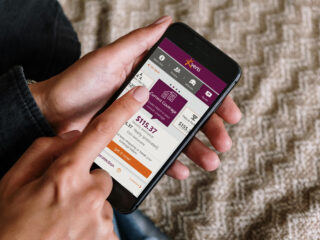
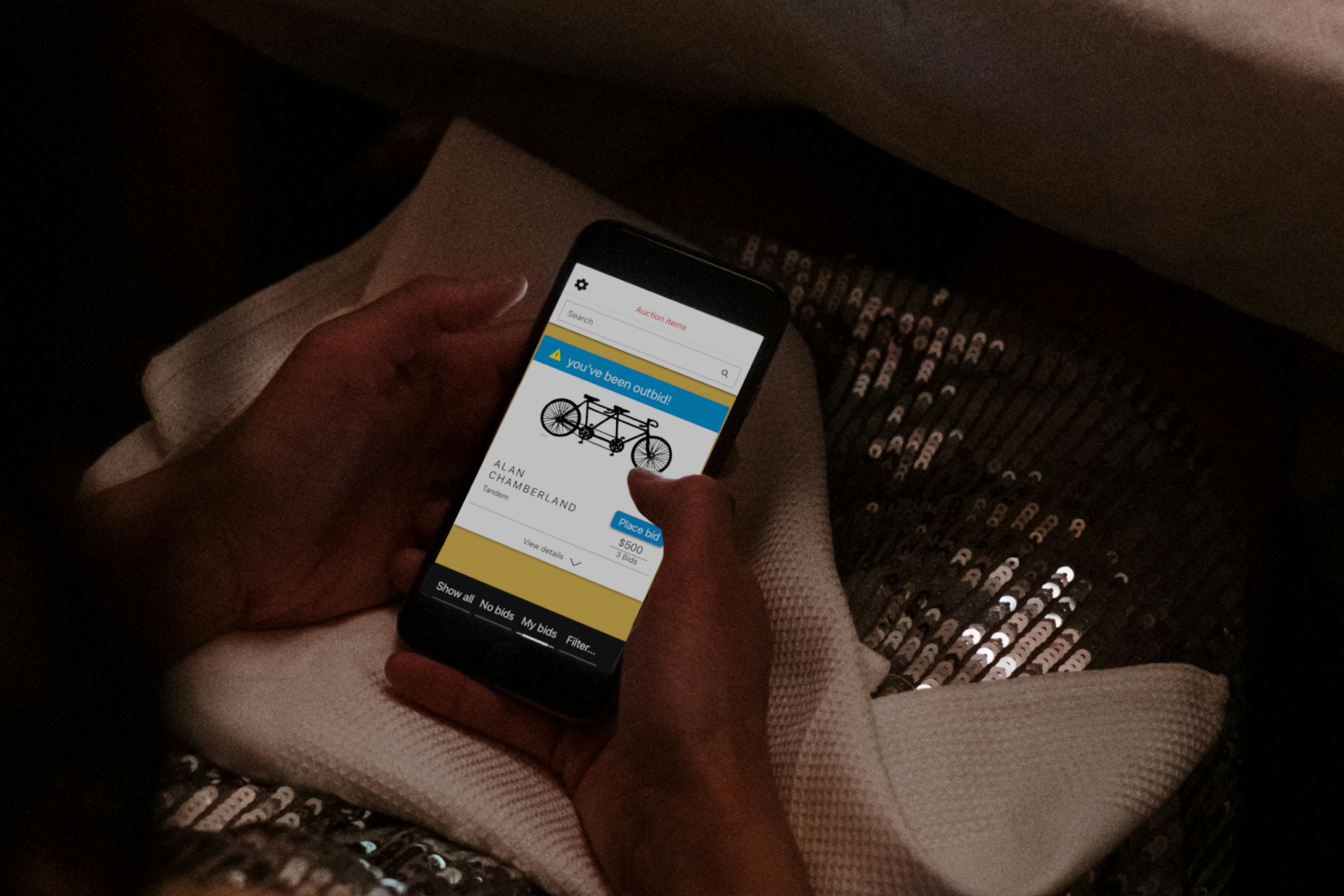
This three-week project explored how a silent auction experience could increase participation at a formal, social event without disrupting the atmosphere. Traditional silent auctions require attendees to linger at tables or screens, creating friction in settings where attention is meant to stay on the event itself.
Working with a front-end developer and a back-end developer who also served as product owner, the core challenge was balancing casual exploration with high-confidence bidding under tight time and technical constraints. Guests needed to quickly understand what was at stake and place bids without upfront account creation or payment setup.
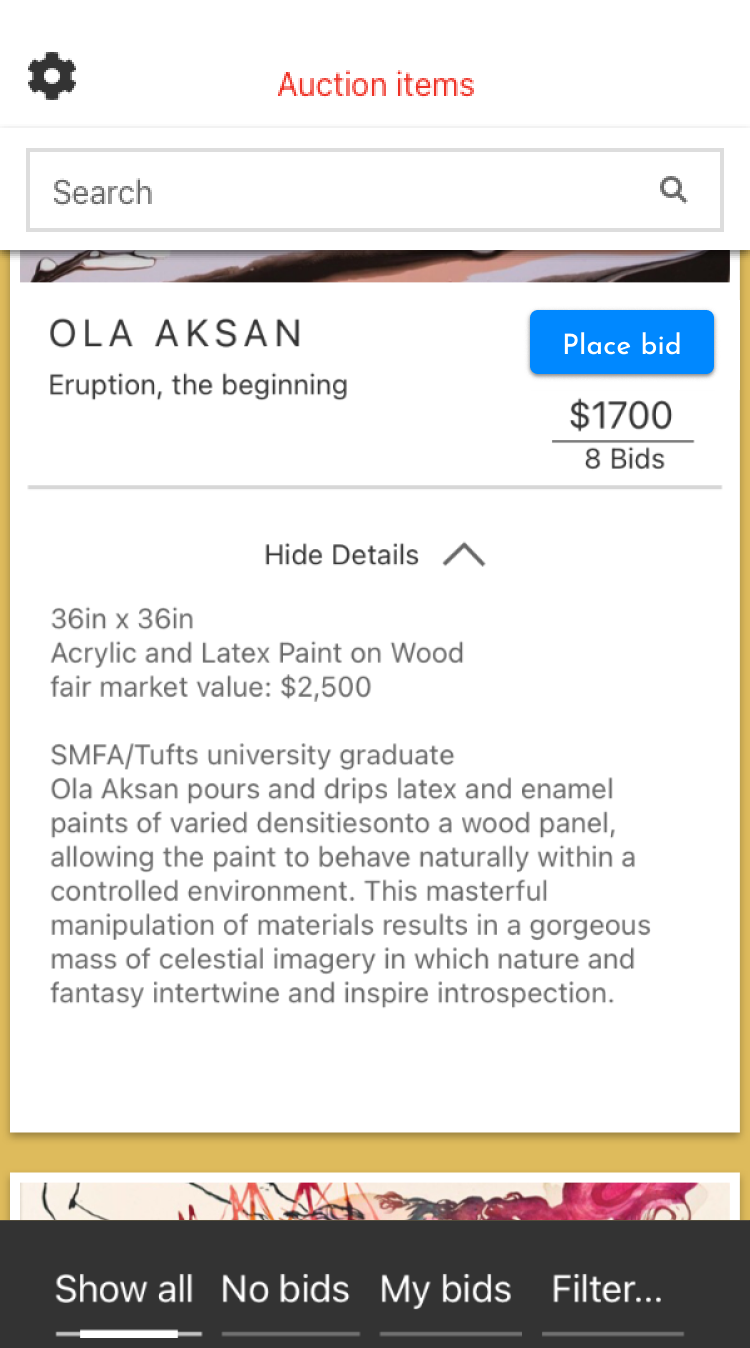
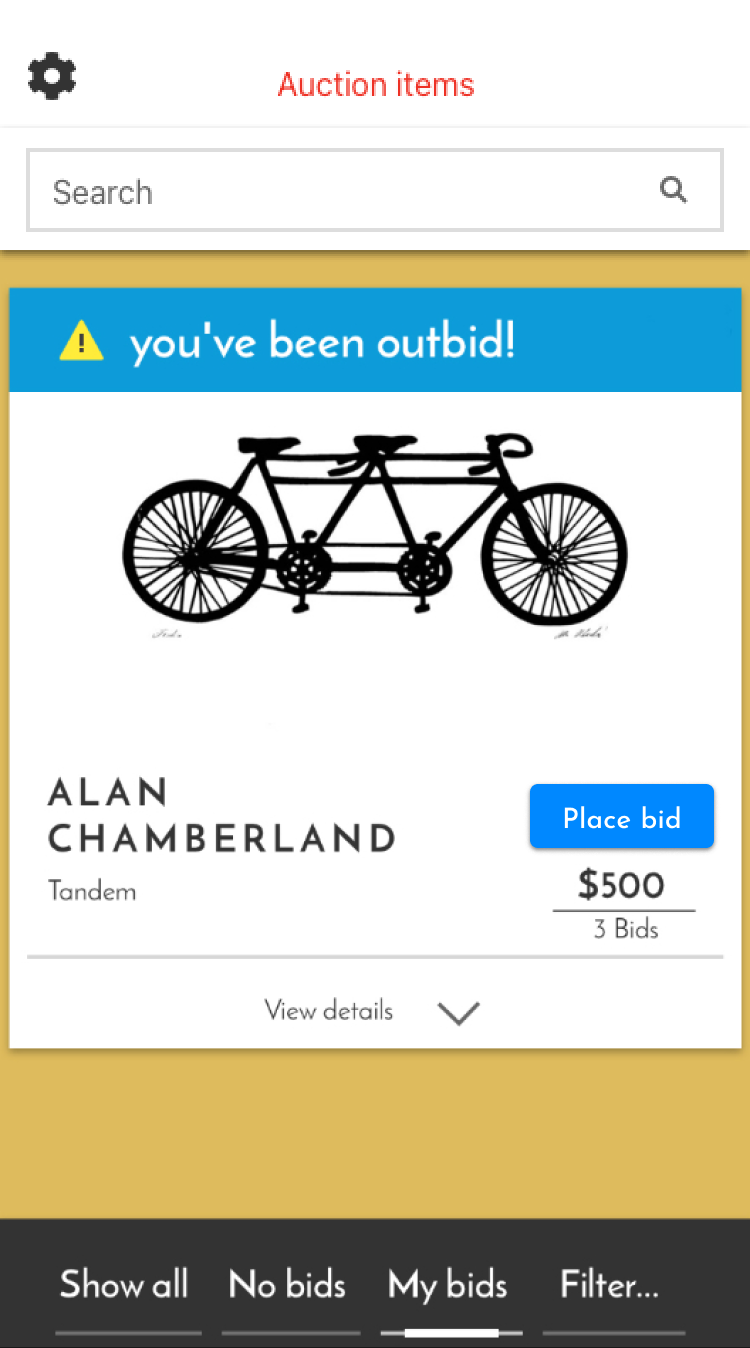
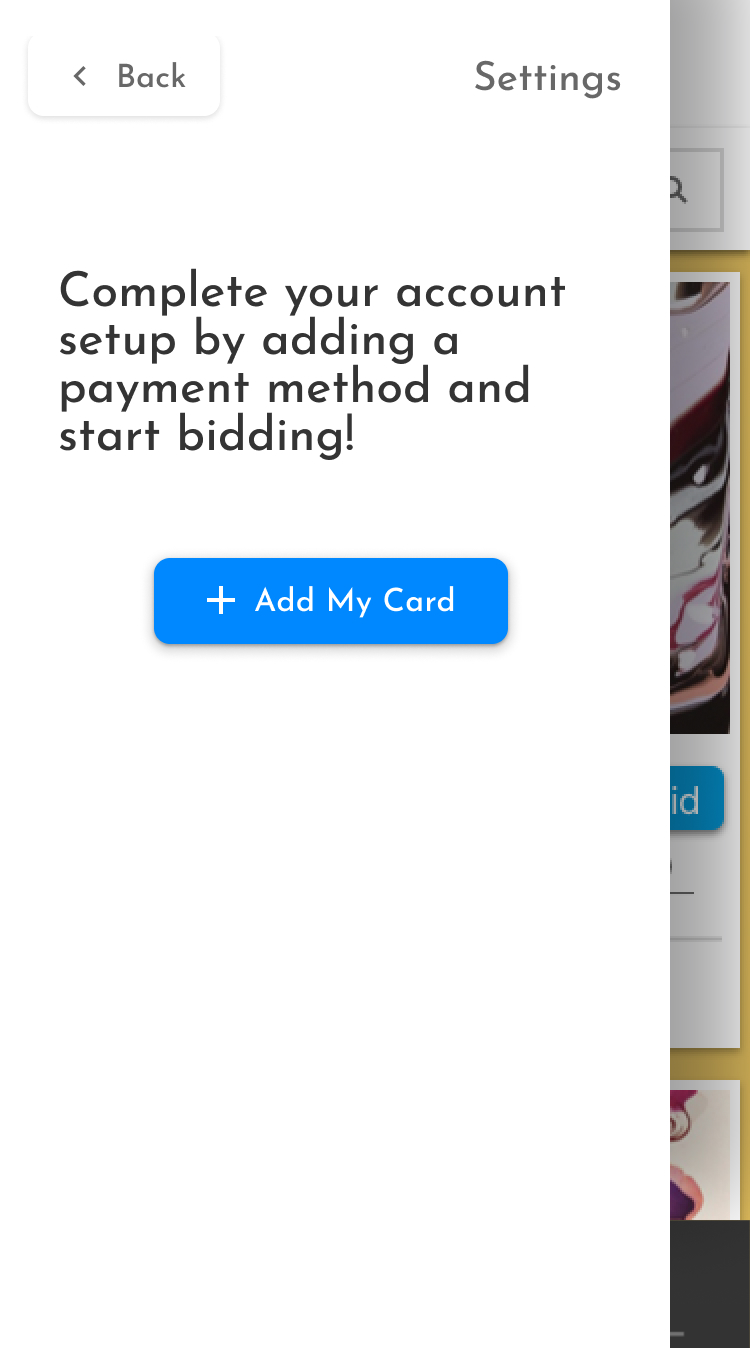
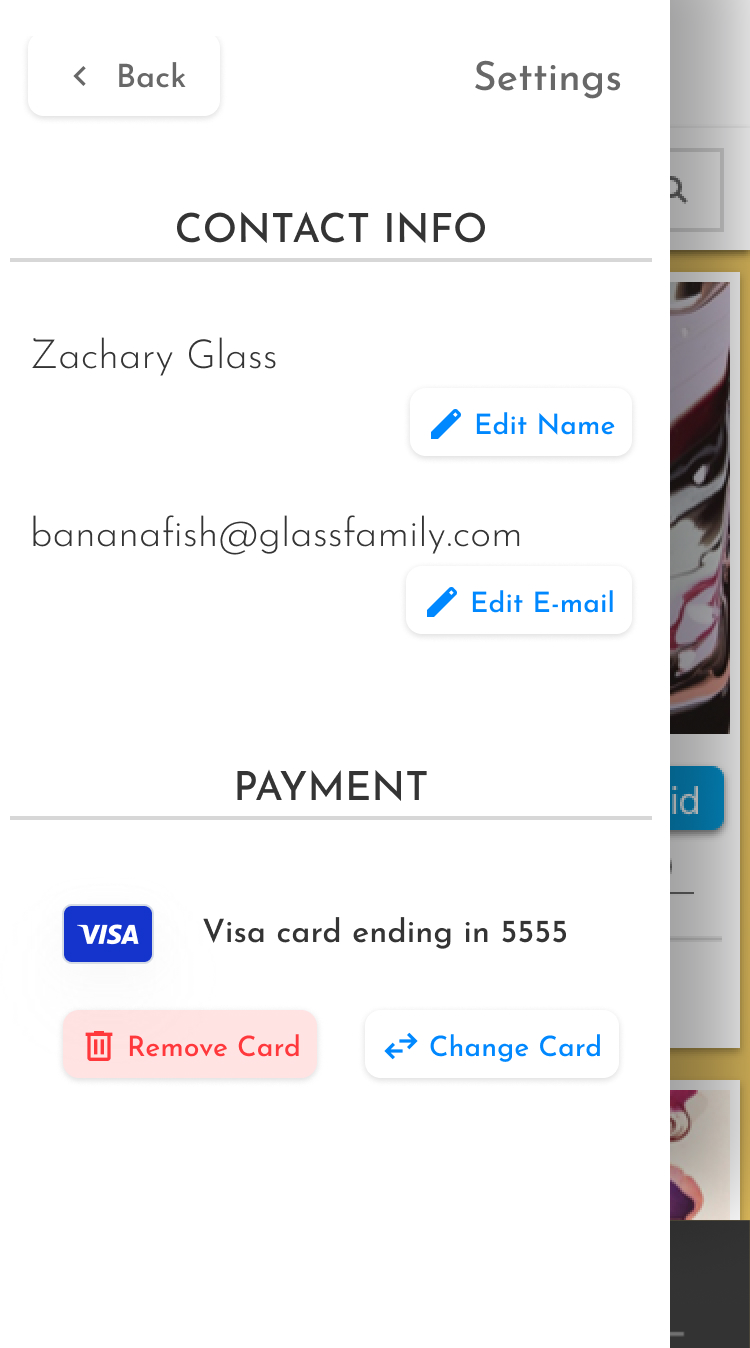
The design intentionally delayed authentication and payment until a user committed to bidding, allowing friction-free browsing while preserving trust and clarity at the moment of action. Familiar mobile patterns, minimal interruption, and clear confirmation and error states supported fast decisions and helped drive participation without pulling users out of the room.
Designs

Outcome/Reflection
Outcome & Reflection
The silent auction met and exceeded the museum’s internal fundraising goals for the event. While exact participation and revenue metrics were not available, stakeholders reported strong engagement and positive feedback from attendees, particularly around the ease of browsing and bidding without disrupting the event experience.
This project reinforced the importance of aligning interaction design with context. In a social, time-bounded environment, reducing upfront commitment and deferring friction until intent is clear can meaningfully increase participation without adding visible complexity. The three-week timeline also required prioritizing clarity and reliability over polish, underscoring how effective UX decisions often come from constraint-driven tradeoffs rather than exhaustive research.